The Barlin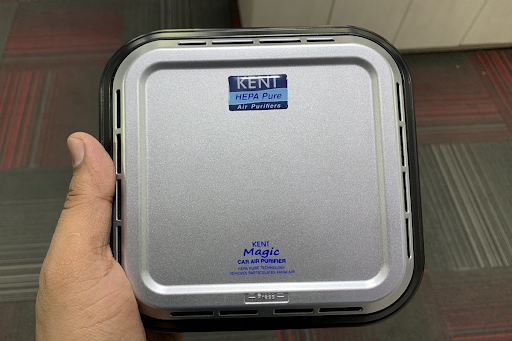
Traffic congestion exposes drivers to pollution even when windows remain shut. Fine dust from roads, exhaust fumes, and airborne particles enter the cabin through vents and door gaps. Once inside, these pollutants circulate in a confined space, especially during long commutes. Over time, this affects comfort and breathing quality. Many drivers prefer a car air purifier as a practical way to manage cabin air quality during daily travel. Rather than relying only on built-in ventilation, these devices actively filter the air people breathe while driving, making the journey cleaner and more comfortable.
Why Do Car Cabins Trap Dust and Pollution?
A car cabin has a limited volume of air, allowing pollutants to build up quickly. Exhaust emissions from surrounding vehicles enter through the ventilation system, particularly in slow-moving traffic. Dust particles settle on seats, dashboards, and floor mats when doors open. Normal vehicle movement lifts these particles back into the air. Urban driving conditions intensify this problem. Short trips through congested areas still expose passengers to high levels of pollutants. This explains why interest in an air purifier in India has increased, especially among people who spend long hours commuting. Without active filtration, the same polluted air circulates repeatedly throughout a drive.
How Do Air Purifiers Clean the Cabin Air?
A car air cleaner works by continuously drawing cabin air through layered filters and releasing cleaner air back into the space. Unlike standard air circulation systems, this process focuses on removing particles rather than redistributing them. Most devices rely on multiple filtration stages. A preliminary layer captures larger dust particles and hair. A HEPA filter then traps fine particles such as PM2.5, which are commonly emitted by traffic. Many units also include activated carbon to absorb odors and gaseous contaminants. This combination allows the purifier to address both visible dust and invisible pollution during everyday driving.
Real Benefits During Daily Commutes
Consistent air filtration improves vehicle comfort. Reduced airborne dust lowers irritation, especially for passengers sensitive to pollution. Odors from traffic and interior materials also diminish over time. Drivers achieve better results when they use recirculation mode in heavy traffic. This limits the entry of new pollutants while the purifier cleans existing air. For many urban users in India, choosing an air purifier reflects practical needs rather than luxury. The small cabin space allows purification systems to work efficiently during both short and long trips.
Using and Maintaining a Purifier Effectively
Effective use depends on simple habits. Keeping windows closed in congested areas reduces the entry of pollutants. Regular interior cleaning minimizes dust sources. Timely filter replacement maintains airflow and filtration performance. Choosing the right car air purifier also matters. The device should fit the cabin and operate quietly during use. Many buyers of air purifiers in India prefer compact designs that fit seamlessly without disrupting passenger space. Proper maintenance ensures consistent performance over time.
Conclusion
Dust and traffic emissions enter car cabins during every journey and continue to circulate. A car air cleaner helps address this challenge by continuously filtering air in a confined space. When used correctly and maintained well, it reduces dust buildup and limits pollutant concentration during drives. For people considering an air purifier in India, this solution supports cleaner air and improved comfort during everyday travel, especially in high-traffic environments.