The Barlin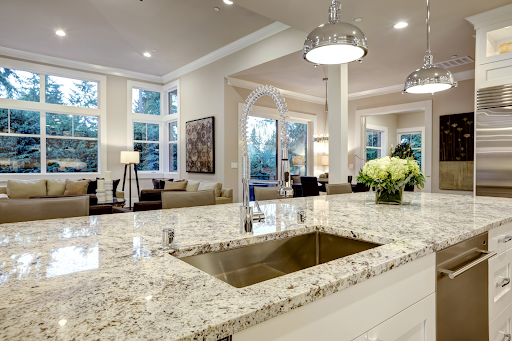
Your countertops define your kitchen’s character more than almost any other element. They cover significant square footage and endure constant daily use. Choosing the right stone finish affects both aesthetics and long-term satisfaction.
Stone countertops represent substantial investments in your home’s value and functionality. The wrong selection leads to maintenance headaches and disappointing appearances. Understanding your options prevents costly mistakes and regrets.
Milwaukee homeowners face unique challenges from seasonal weather extremes and active lifestyles. Countertops must withstand temperature changes, moisture exposure, and heavy use. Quality stone finishes handle these stresses while maintaining beauty.
Countertop suppliers offer overwhelming varieties of stone types and finish options. Each combination delivers different visual effects and practical characteristics. Navigating these choices requires understanding what truly matters.
The perfect countertop balances your aesthetic preferences with practical lifestyle needs. Beautiful surfaces that stain easily or require constant maintenance frustrate users daily. Smart selection creates spaces you’ll love using for decades.
Understanding Stone Finish Types
Stone finish refers to surface texture created during fabrication. This significantly affects appearance, maintenance requirements, and durability. Several standard finishes serve different purposes and preferences.
Polished finishes create glossy, reflective surfaces highlighting stone’s natural beauty. They showcase color depth and pattern complexity dramatically. This traditional finish remains most popular across stone types.
Honed finishes provide matte, smooth surfaces without shine. They offer sophisticated, understated elegance compared to polished alternatives. Many homeowners prefer this contemporary aesthetic.
Leathered finishes add subtle texture while maintaining color richness. The slightly raised pattern feels pleasant to touch. This newer option combines visual interest with practical benefits.
Brushed finishes create linear texture through wire brushing. They hide scratches and wear better than smooth alternatives. This rustic option suits farmhouse and traditional kitchens.
Polished Stone Characteristics
Polished surfaces reflect light creating bright, dramatic appearances. Colors appear more vibrant and patterns more pronounced. This finish makes dark stones feel less heavy visually.
The smooth, non-porous surface resists staining better than textured alternatives. Liquids bead up rather than absorbing immediately. This practical benefit suits busy kitchens.
However, polished finishes show fingerprints, water spots, and scratches more readily. Regular cleaning maintains optimal appearance. Some homeowners find this maintenance level acceptable while others don’t.
Polished granite has dominated kitchen design for decades. Its durability and beauty justify continued popularity. Modern alternatives challenge but haven’t displaced this classic choice.
Honed Finish Benefits
Honed surfaces offer contemporary sophistication without glossy shine. The matte appearance feels more relaxed and casual. This finish works beautifully in modern and transitional kitchens.
Fingerprints and water spots show less on honed surfaces. Daily maintenance becomes easier and less frequent. This practical advantage appeals to busy families.
Modern granite countertops in Milwaukee honed finishes create striking contemporary statements. The matte surface lets stone patterns shine without reflective distraction. Colors appear softer and more nuanced.
Honed finishes require sealing more frequently than polished alternatives. The slightly more porous surface needs protective barriers. This maintenance consideration matters for some stone types.
Leathered Texture Appeal
Leathered finishes combine honed sophistication with subtle dimensional interest. The texture catches light creating depth and movement. This relatively new option gains popularity steadily.
The slightly textured surface hides minor imperfections and daily wear. Small scratches disappear into the pattern. This forgiving quality suits active households.
Leathered granite feels wonderful to touch during food preparation. The texture provides subtle grip preventing items from sliding. This practical benefit surprises many homeowners pleasantly.
Cleaning leathered surfaces requires slightly more attention than polished alternatives. The texture can catch crumbs and debris. Regular wiping prevents buildup in the pattern.
Matching Finishes to Stone Types
Different stone materials perform better with specific finishes. Understanding these relationships guides better selections. Not every finish works equally well on every stone.
Granite accepts all finish types beautifully due to its hardness. The dense structure maintains integrity regardless of surface treatment. This versatility makes granite perpetually popular.
Marble looks stunning polished but shows wear more quickly. Honed marble hides etching from acidic substances better. Consider your cooking habits when selecting marble finishes.
Quartzite performs well with polished or honed finishes. Its extreme hardness resists scratching and etching. This durability rivals or exceeds granite.
Soapstone typically comes honed due to its softer nature. The matte surface complements this stone’s unique character. Polishing soapstone is possible but less common.
Color Considerations with Different Finishes
Stone finish dramatically affects color perception. The same slab looks quite different polished versus honed. View samples in your desired finish before committing.
Polished finishes intensify colors making them appear richer and deeper. Dark stones become dramatically dark while light stones brighten. This enhancement appeals to many homeowners.
Honed finishes soften color intensity creating more subtle appearances. Colors appear gentler and more muted. This works beautifully in calm, serene kitchen designs.
Leathered finishes maintain color richness while adding dimension. The texture creates shadows enhancing pattern complexity. This finish showcases stone’s natural characteristics beautifully.
Practical Lifestyle Matching
Your actual kitchen usage patterns should drive finish selection. Honest self-assessment about cooking habits and cleaning preferences prevents disappointment. Different lifestyles suit different finishes.
Serious cooks who prepare acidic foods need durable, forgiving surfaces. Honed or leathered finishes hide etching better than polished. Quality stone fabricators help match finishes to usage patterns.
Families with young children benefit from finishes hiding fingerprints and minor damage. Textured surfaces prove more forgiving than high-polish alternatives. This practical consideration matters daily.
Meticulous homeowners who enjoy maintaining pristine surfaces can handle polished stone. They appreciate the dramatic beauty enough to perform regular cleaning. Personal preferences vary widely here.
Regional Climate Considerations
Milwaukee’s temperature and humidity fluctuations affect stone performance. Proper sealing becomes essential regardless of finish choice. Local climate makes this maintenance non-negotiable.
Moisture from cooking and dishwashers affects all stone surfaces. Sealed surfaces resist damage from daily exposure. Regular resealing maintains optimal protection levels.
Temperature changes from heating and cooling stress stone surfaces. Quality materials and proper installation prevent cracking. Working with experienced professionals ensures appropriate techniques.
Winter humidity drops while summer levels rise significantly. These swings affect stone differently than stable climates. Understanding local conditions helps manage expectations.
Edge Profile Coordination
Edge profiles should complement your finish selection. Polished edges on honed tops create interesting contrast. Matching finishes throughout provides cohesive appearances.
Simple edge profiles suit contemporary honed or leathered finishes. Straight or slightly eased edges maintain clean modern lines. Elaborate edges can compete with textured surfaces.
Traditional polished stone pairs beautifully with decorative edge profiles. Ogee or dupont edges add elegant detail. These combinations create classic formal aesthetics.
Discuss edge options with fabricators during stone selection. They understand which combinations work best visually. Their experience prevents awkward mismatches.
Maintenance Reality Check
All stone countertops require some maintenance regardless of finish. Understanding realistic care requirements prevents frustration. Different finishes demand varying attention levels.
Polished surfaces need regular cleaning to maintain shine. Water spots and fingerprints show prominently. Daily wiping keeps them looking their best.
Honed and leathered finishes hide minor issues better. They still require sealing and appropriate cleaning products. The maintenance feels less constant than polished alternatives.
Avoid harsh chemicals on any stone surface. Acidic cleaners damage protective seals and stone itself. Use pH-neutral products designed for natural stone.
Working with Professional Suppliers
Reputable suppliers provide samples in various finishes. Viewing actual stone pieces in different finishes clarifies options. Photos never capture subtle finish differences accurately.
Ask suppliers about sealing requirements for different finishes. Some stones and finishes need more frequent sealing. This ongoing maintenance cost matters long-term.
Quality suppliers explain care requirements honestly. They want satisfied customers who refer new business. Misleading information damages their reputations.
Visit multiple showrooms comparing options and expertise. Suppliers’ knowledge levels vary considerably. Choose professionals who educate rather than just sell.
Installation Quality Matters
Even premium stone fails without proper installation. Experienced fabricators understand finish-specific handling requirements. Their expertise protects your investment.
Proper sealing during installation provides initial protection. Some finishes require different sealing approaches. Professional installers know these nuances.
Level installation prevents stress concentrations causing cracks. Stone placement affects long-term performance significantly. Quality installation justifies its cost.
Verify installer credentials, insurance, and references. Their work determines how your countertops perform. This decision matters as much as stone selection.
Budget Considerations by Finish
Finish type affects stone costs less than material selection. However, some finishes require more fabrication time. These labor differences can impact total pricing.
Polished finishes represent the standard baseline pricing. Most stone pricing assumes polished finish. Other finishes may carry small upcharges.
Leathered finishes sometimes cost slightly more due to extra processing. The specialized equipment and time justify modest premiums. Ask suppliers about specific pricing.
Consider long-term maintenance costs when budgeting. Finishes requiring frequent professional sealing add ongoing expenses. Total cost of ownership exceeds initial purchase price.
Coordinating with Overall Design
Your countertop finish should harmonize with cabinet finishes and flooring. Too many competing textures create visual chaos. Thoughtful coordination creates cohesive designs.
Pair polished countertops with smooth cabinet finishes. The consistent sheen level feels intentional and sophisticated. Mixing glossy and matte requires careful planning.
Honed or leathered countertops work beautifully with wood-grain cabinets. The texture combination adds interest without overwhelming. Natural materials complement each other.
Consider your backsplash material and finish too. All horizontal and vertical surfaces should relate visually. Professional designers help navigate these relationships.
Final Thoughts
Selecting the perfect stone finish requires balancing aesthetics with practical considerations. Understanding how different finishes perform guides wiser choices. Your lifestyle and preferences determine the best option.
Milwaukee homeowners benefit from working with knowledgeable local professionals. These experts understand regional climate challenges and proven solutions. Their guidance prevents expensive mistakes.
Quality stone countertops with appropriate finishes transform kitchens into beautiful, functional spaces. The right selection provides decades of satisfaction. This important decision deserves careful thought and research.
Frequently Asked Questions
What’s the most durable stone countertop finish?
Polished granite and quartzite offer maximum durability and stain resistance. The sealed, smooth surface resists damage effectively. However, all finishes require appropriate care and maintenance.
Do honed countertops stain more easily than polished?
Honed finishes are slightly more porous requiring more frequent sealing. With proper sealing and care, staining differences are minimal. Regular maintenance keeps all finishes performing well.
How often do stone countertops need resealing?
This varies by stone type and finish. Polished granite might need sealing annually while honed marble needs it quarterly. Perform water tests to determine when resealing is necessary.
Can I change my countertop finish after installation?
Yes, professional fabricators can refinish installed stone. However, this process is expensive and messy. Choose your preferred finish during initial installation.
Which finish is best for busy family kitchens?
Honed or leathered finishes hide fingerprints, water spots, and minor damage better than polished. They require less frequent cleaning while maintaining attractive appearances. These practical benefits suit active households.