The Barlin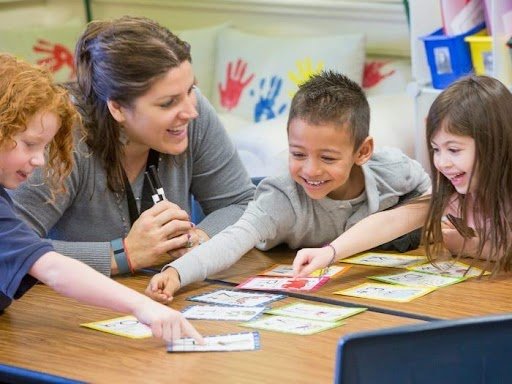
Early childhood is one of the most critical stages in a child’s development. The experiences, guidance, and education children receive during their early years shape their cognitive, emotional, and social growth. As awareness of quality early education increases, the demand for qualified early childhood educators continues to rise.
If you are passionate about working with young children and shaping their future, enrolling in a Diploma in Early Childhood and attending professional Early Childhood Classes can be the ideal starting point for your career in education.
What Is a Diploma in Early Childhood?
A Diploma in Early Childhood is a professional qualification designed to prepare individuals to work with children from infancy to around eight years of age. The program focuses on child development theories, teaching methodologies, classroom management, and creating nurturing learning environments.
This diploma equips aspiring educators with the knowledge and practical skills needed to support young learners during their formative years.
Why Early Childhood Education Is So Important
Research shows that the early years of a child’s life are crucial for brain development. During this stage, children develop language skills, social behaviors, problem-solving abilities, and emotional intelligence.
Quality Early Childhood Classes help children:
- Build communication skills
- Develop confidence and independence
- Improve social interaction
- Enhance creativity and imagination
- Strengthen cognitive abilities
Qualified educators play a key role in guiding children through these developmental milestones.
Why Choose a Diploma in Early Childhood?
A Diploma in Early Childhood offers numerous benefits for those looking to enter the education sector.
1. Professional Qualification
It provides recognized credentials required by many schools and nurseries.
2. Career Opportunities
Graduates can work in nurseries, preschools, daycare centers, and early learning centers.
3. Practical Teaching Skills
The program includes hands-on training and classroom observation.
4. Career Growth Pathway
The diploma can lead to advanced teaching degrees or specialized certifications.
Completing structured Early Childhood Classes ensures that educators are fully prepared to handle classroom responsibilities effectively.
What You Learn in Early Childhood Classes
A Diploma in Early Childhood includes comprehensive coursework designed to build both theoretical understanding and practical expertise.
Core Subjects Typically Include:
1. Child Development
Understanding physical, emotional, cognitive, and social growth stages.
2. Early Learning Theories
Studying educational approaches such as Montessori, play-based learning, and inclusive teaching strategies.
3. Curriculum Planning
Designing age-appropriate lesson plans and activities.
4. Classroom Management
Creating structured and positive learning environments.
5. Health and Safety
Maintaining safe classrooms and ensuring child protection.
6. Communication Skills
Engaging effectively with children, parents, and colleagues.
Professional Early Childhood Classes combine theory with interactive workshops and teaching practice.
Practical Training and Classroom Experience
Hands-on training is a vital component of a Diploma in Early Childhood. Practical sessions allow students to:
- Observe experienced teachers
- Conduct supervised teaching sessions
- Develop creative activity plans
- Manage small groups of children
- Understand real classroom dynamics
This experience builds confidence and prepares graduates for real-world teaching environments.
Who Should Enroll in a Diploma in Early Childhood?
This program is ideal for:
- School graduates interested in teaching
- Aspiring nursery or preschool teachers
- Teaching assistants seeking professional growth
- Parents wanting formal early education knowledge
- Individuals looking for a career change
Early Childhood Classes are especially suitable for individuals who are patient, creative, compassionate, and passionate about child development.
Career Opportunities After Completing the Diploma
Graduates of a Diploma in Early Childhood can pursue roles such as:
- Preschool Teacher
- Nursery Teacher
- Early Childhood Educator
- Teaching Assistant
- Daycare Supervisor
- Childcare Center Coordinator
With additional experience and qualifications, professionals can move into leadership or administrative roles within educational institutions.
Skills Developed Through Early Childhood Classes
A successful early childhood educator needs a combination of professional and interpersonal skills.
Professional Skills:
- Lesson planning
- Child assessment and observation
- Behavior management
- Curriculum implementation
- Classroom organization
Soft Skills:
- Patience and empathy
- Creativity and adaptability
- Strong communication
- Leadership and teamwork
- Problem-solving
A Diploma in Early Childhood ensures that graduates are equipped with both technical knowledge and emotional intelligence.
Importance of Play-Based Learning
Modern Early Childhood Classes emphasize play-based learning as a key teaching method. Through guided play, children develop:
- Language and communication skills
- Motor coordination
- Social interaction
- Creativity and imagination
- Emotional regulation
Educators trained in early childhood education understand how to integrate play into structured learning activities effectively.
Growing Demand for Early Childhood Educators
As awareness of quality preschool education increases, so does the demand for qualified teachers. Many countries now require certified educators in nurseries and early learning centers.
Completing a Diploma in Early Childhood improves employment prospects and ensures compliance with educational standards.
Educational institutions prefer teachers who have formal training and hands-on classroom experience through recognized Early Childhood Classes.
Pathways for Further Education
After completing the diploma, graduates may choose to pursue:
- Advanced diplomas in education
- Bachelor’s degrees in Early Childhood Education
- Montessori certification
- Special education training
- Educational leadership programs
The Diploma in Early Childhood serves as a strong foundation for long-term academic and professional growth.
Work Environments
Graduates can work in various settings, including:
- Preschools and nurseries
- Kindergarten institutions
- Daycare centers
- Community childcare programs
- Private early learning centers
The flexibility of Early Childhood Classes allows educators to explore diverse teaching environments.
Why Choose Professional Early Childhood Classes?
Selecting a reputable training institute ensures:
- Experienced faculty
- Modern teaching methodologies
- Updated curriculum
- Practical teaching opportunities
- Recognized certification
Quality training programs prepare educators to meet modern classroom demands effectively.
Conclusion
A Diploma in Early Childhood is more than just a qualification — it is a gateway to shaping young minds and building a meaningful career in education. By enrolling in professional Early Childhood Classes, aspiring educators gain the knowledge, practical skills, and confidence required to nurture children during their most important developmental years.
With growing demand for qualified early childhood professionals, this diploma offers strong career prospects, personal fulfillment, and opportunities for advancement. If you are passionate about teaching and making a difference in children’s lives, pursuing a Diploma in Early Childhood could be the perfect step toward a rewarding future.