The Barlin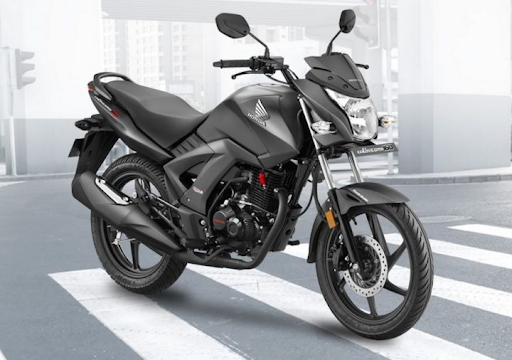
When exploring the world of two-wheelers, one cannot overlook the Honda CB Unicorn, a dependable and popular choice for riders who value efficiency, reliability, and comfort. Known for its powerful performance and efficient design, the CB Unicorn appeals to riders for a variety of reasons. However, the concept of engine capacity has often raised questions among bike enthusiasts and potential buyers alike. If you’re looking to understand the engine capacity and why it plays such a vital role in day-to-day riding experience, this article provides an in-depth look at the matter in comparison to the expanding relevance of electric scooters, particularly the advancements attributed to the Ather Electric Scooter.
Understanding Engine Capacity in Combustion Bikes
Engine capacity refers to the size of the engine’s combustion chamber, where fuel and air combust to produce the necessary power to drive the vehicle’s movement. This measurement is usually expressed in cubic centimeters (cc) and is a cornerstone metric widely discussed in traditional combustion bikes and motorcycles. For models like the CB Unicorn Bike, the engine capacity is designed to strike a balance between optimal fuel efficiency and decent power output, ideal for urban commuter needs without compromising highway performance.
While traditional bikes like the Honda CB Unicorn rely on combustion engines, the question emerges — how does this compare to the growing adaptation of electric scooters? With advancements in modern mobility solutions, characters like engine capacity are replaced with battery capacity and motor output in electric vehicles. Companies like Ather are breaking new ground in this domain.
Electric Scooters: A Modern Revolution
The rise of electric scooters is reshaping the conversation around vehicle performance and ecological compatibility. Among the trailblazers transforming this sphere is the Ather Electric Scooter, renowned for its technological innovations and next-gen mobility solutions. As we veer toward a more electrified future, understanding the basics of traditional engine capacity becomes less prominent, paving the way for electric motor capacity and energy efficiency to take center stage.
Electric scooters like Ather eliminate the need for conventional engine capacity as they rely on rechargeable batteries and electric motors to achieve acceleration, range, and riding comfort. This change also impacts maintenance simplicity, reducing moving parts within the vehicle’s framework. The convenience offered by electric scooters is a central reason for their skyrocketing demand, particularly among urban dwellers navigating congested cities.
However, before moving into the benefits of electric scooters, including the crucial role brands like Ather play in driving mass adoption, let’s revisit why engine capacity holds importance in conventional bikes and how it shapes bike performance.
Why Engine Capacity Matters for Bikes Like CB Unicorn
In conventional bikes, engine capacity correlates directly with power, torque, and fuel efficiency. A modest engine size often results in better fuel economy and lower operation costs, whereas larger engines are typically more powerful and better suited for sports or off-road adventures. The CB Unicorn fits into the category of commuter bikes and has an engine capacity designed for daily use, offering reliable performance in metropolitan conditions.
For riders valuing conventional-driven mobility, understanding engine capacity can help them select a bike that matches their riding style and needs. However, it’s worth noting that as electric scooters continue to dominate the automotive narrative, many riders are now shifting their focus away from combustion-related specifications and choosing environmentally friendly alternatives instead.
Electric Scooters vs. Combustion Bikes: The Key Differences
It’s impossible to discuss modern mobility without highlighting the advantages of electric scooters such as the Ather line-up. By reimagining personal transportation, Ather electric scooters have become synonymous with sustainability, efficiency, and cutting-edge performance. In comparison to combustion bikes, here are key parameters where electric scooters stand out:
- Environmental Impact – Unlike traditional internal combustion engines, electric scooters like Ather contribute significantly to reducing carbon emissions. With zero exhaust pollution, eco-conscious riders are rallying toward this cleaner alternative.
- Efficiency Redefined – While bikes such as the CB Unicorn offer commendable mileage, electric scooters often align better with operational efficiency. A single charge provides sufficient range for urban commutes, eliminating the recurrent cost of fuel.
- Soundless Operation – One striking advantage electric scooters possess is the quiet operation. Unlike combustion engines, electric motors barely produce any noise, providing smoother rides minus auditory disturbance.
- Technological Additions – Modern electric scooters like Ather are equipped with smart features. From touchscreen displays to real-time navigation, they bridge the gap between tech and transportation. These additions make them a preferred choice amongst the tech-savvy generation.
- Reduced Maintenance Hassle – Conventional bikes depend on complex engines and multiple mechanical parts that sometimes require regular upkeep. Electric scooters simplify maintenance with fewer moving parts and reduced dependency on fossil fuel.
Ather Electric Scooter: Leading the Electric Revolution
Ather Energy has carved out a distinctive reputation by introducing electric scooters packed with futuristic technology and robust performance, asserting their dominance in the growing EV sector globally. While the conversation initially revolved around engine capacity, Ather has shifted the focus to attributes like battery longevity, charging efficiency, and smart capabilities.
Ather scooters have revolutionized urban commutes by prioritizing aspects like higher efficiency, seamless connectivity, and unparalleled environmental responsibility. With intelligent dashboards, app integrations, and over-the-air updates, Ather stands tall compared to traditional combustion bikes, eliminating concerns surrounding engine capacity while promoting an eco-friendly way of life.
Social Transformation in Mobility Preferences
Society’s understanding of mobility is undergoing a revolution as urbanization increases the demand for cleaner transport options. While bikes such as the CB Unicorn have provided decades of dependable performance built around conventional engine capacity, there is clearly a shift toward electric-powered options. With the rising urgency for sustainability, electric scooters — led by visionary brands like Ather — are likely to dominate urban mobility for years to come.
Riders are becoming increasingly cognizant of environmental consequences and are choosing electric scooters over traditional bikes due to several advantages. Moreover, as charging infrastructure improves and battery technology enhances riding ranges, electric scooters will continue attracting a wider audience.
Looking Ahead: Bridging Combustion Technology With Futuristic Solutions
Considering automotive evolution, it’s important to understand that traditional motorcycles and bikes like the CB Unicorn provide entry points into personal mobility, while electric scooters chart the future course. Brands like Ather Energy are inspiring the industry to adapt clean-tech solutions, transforming how individuals commute while preserving environmental balance.
The seeming persistence of combustion vehicles does not necessarily negate the potential for widespread EV adoption. Instead, it reinforces the need for transitional support, compelling governments, organizations, and individuals alike to step up their contributions toward cleaner transport solutions, including the gradual shift from traditional vehicles to cleaner options such as electric Honda scooter models.
Final Thoughts
The Honda CB Unicorn, with its carefully crafted engine capacity, remains an iconic choice for riders looking for high-performance conventional bikes. However, as global mobility preferences pivot toward electric scooters, offerings like the Ather Electric Scooter redefine riding experiences on multiple fronts. With zero-emission capability, intelligent features, and effortless urban maneuverability, electric scooters open pathways toward sustainable living.
Whether you’re planning to invest in a combustion engine bike or transitioning toward cleaner alternatives, it’s crucial to gauge your mobility goals. While engine capacity was once a defining metric, advancements pioneered by electric scooter brands now put focus on sustainability, tech compatibility, and comfort. Riding, indeed, has come a long way, and the future of mobility promises opportunity and innovation.
Choose wisely, as the journey continues. Bike or electric scooter — your ride reflects your objectives, lifestyle, and contribution to a greener planet. From conventional bikes to advanced EV solutions, today’s decisions shape tomorrow’s roads.