The Barlin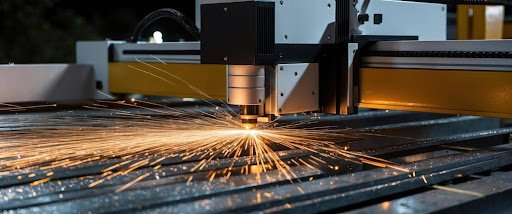
In the evolving landscape of modern industries, precision, efficiency, and adaptability are paramount. Manufacturing and fabrication processes require solutions that not only meet high-quality standards but also optimize production timelines and minimize material waste. Metal laser cutting in Dubai has emerged as one of the most advanced techniques to address these demands, offering accuracy, flexibility, and innovative possibilities that traditional cutting methods cannot match. Unlike mechanical cutting processes, laser cutting allows intricate designs, smooth edges, and minimal material distortion, making it an ideal solution for a wide array of industrial applications. From automotive components and aerospace assemblies to decorative panels and custom machinery parts, the technology is reshaping the way industries approach design, manufacturing, and production optimization.
This blog explores the key advantages of metal laser cutting in modern industries, presented in a professional and actionable format to provide clarity and insights for industry professionals.
Exceptional Precision and Accuracy in Fabrication
The ability to achieve such high accuracy translates into operational efficiency, fewer material errors, and reduced wastage. Manufacturers gain confidence that every cut meets design standards, enhancing both product reliability and brand reputation.
- Minimal Tolerance Deviations: Metal laser cutting achieves extremely fine tolerances, often within fractions of a millimeter. This level of precision ensures that components fit perfectly within assemblies, reducing the need for post-processing adjustments and saving valuable production time.
- Consistent Quality Across Volumes: Unlike manual or mechanical cutting methods, laser cutting delivers consistent results even across large production volumes. Each piece maintains the same specifications and dimensions, which is critical in sectors such as automotive, aerospace, and electronics, where uniformity is non-negotiable.
- Capability for Intricate Designs: Laser cutting allows complex geometric patterns that would be impossible or cost-prohibitive with traditional tools. From delicate perforations to detailed engraving on metal sheets, this precision opens doors to innovative design possibilities without compromising structural integrity.
Enhanced Efficiency and Faster Turnaround
By improving operational efficiency and reducing cycle times, metal laser cutting in Dubai empowers industries to remain competitive, respond to urgent demands, and enhance overall profitability.
- Reduced Production Time: Laser cutting significantly shortens the time required for fabrication. The high-powered laser moves rapidly across the material, completing precise cuts in a fraction of the time mechanical tools would need. This allows industries to meet tight deadlines without sacrificing quality.
- Lower Operational Costs: Because the process minimizes rework, errors, and material waste, businesses can optimize costs. Fewer resources are spent on correcting mistakes, and production efficiency improves, enabling higher throughput and better utilization of manpower and machinery.
- Automation and Integration Capabilities: Modern laser cutting machines are often integrated with CNC (Computer Numerical Control) systems, allowing automated production and seamless integration into broader manufacturing workflows. This reduces manual intervention, minimizes errors, and ensures faster project completion, even for large-scale orders.
Versatility Across Materials and Applications
Versatility allows businesses to standardize processes across multiple applications, reducing the learning curve, streamlining production, and maximizing return on investment.
- Wide Range of Compatible Metals: Laser cutting is highly versatile, accommodating materials such as stainless steel, aluminum, brass, copper, and carbon steel. This adaptability allows manufacturers to work on diverse projects without switching tools or investing in multiple cutting systems.
- Customizable Thickness Options: Industries can cut metal sheets of varying thicknesses with precision, from thin sheets used in electronics to thick plates required for structural components. This flexibility ensures that one technology can serve multiple production needs.
- Application in Multiple Sectors: From automotive frames and aerospace components to architectural panels and industrial machinery, the applications of laser cutting are extensive. Creative sectors, including decorative and artistic fabrication, also benefit from the technology’s ability to achieve intricate and precise designs.
Improved Material Utilization and Waste Reduction
Efficient material usage and waste reduction improve overall project economics and enhance environmental stewardship, positioning companies as responsible industry leaders.
- Minimal Material Loss: Laser cutting produces precise cuts with very narrow kerf widths, meaning less material is lost during the cutting process. Unlike mechanical cutting, which can create rough edges or excessive scrap, laser cutting maximizes the usable portion of the metal sheet.
- Optimized Layout and Nesting: Advanced laser cutting software allows precise planning of cuts to minimize scrap and optimize sheet utilization. By arranging components strategically, manufacturers can significantly reduce raw material costs while maintaining production quality.
- Sustainability and Cost Efficiency: Less waste not only reduces costs but also contributes to sustainable manufacturing practices. Industries increasingly focus on environmental responsibility, and laser cutting helps align production with sustainability goals by minimizing unnecessary material disposal.
Integration of Innovation and Advanced Technology
By adopting advanced laser cutting technologies, industries remain agile, competitive, and capable of delivering both mass-produced and customized solutions with consistent precision.
- CNC and Automated Systems: Integration with CNC and robotic systems allows high-speed, automated production. This innovation ensures consistent quality, faster delivery, and reduced reliance on manual labor.
- Real-Time Monitoring and Adaptive Control: Modern laser systems incorporate sensors that monitor cutting performance in real-time. These adaptive controls adjust laser intensity and speed automatically, preventing defects and ensuring precise output across varying metal thicknesses.
- Capability for Prototyping and Custom Designs: Laser cutting enables rapid prototyping and one-off custom designs with minimal setup time. Industries can test concepts, modify designs quickly, and implement feedback effectively, enhancing innovation cycles and reducing product development time.
Conclusion
Metal laser cutting has become a cornerstone of modern industrial manufacturing, combining precision, efficiency, versatility, and innovation to deliver superior results. From minimizing material waste and reducing operational costs to enabling intricate designs and supporting diverse applications, the technology offers measurable advantages across industries. Businesses that embrace professional laser cutting service not only achieve operational excellence but also open new avenues for design innovation and production scalability.
Connecting with experienced providers ensures access to the latest advancements in automation, CNC integration, and adaptive cutting systems, guaranteeing consistent quality and faster turnaround times. For those seeking a reliable, efficient, and precise solution for modern fabrication challenges, Morshedi offers professional expertise and innovative services designed to meet the demands of today’s dynamic industrial landscape.