The Barlin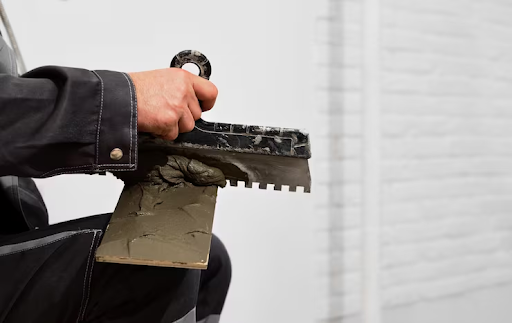
Stucco installation services provided by qualified professional stucco application contractors follow rigorous technical standards, ensuring decades of weather resistance and structural integrity. Florida’s combination of high humidity, salt exposure, and hurricane winds demands precision execution beyond basic wall covering installation.
This technical guest post outlines industry standards, quality control protocols, and Florida Building Code requirements that distinguish 30-year stucco systems from installations that require replacement within a decade.
Industry Standard Installation Specifications
ASTM Compliance Requirements
- ASTM C926: Application of Portland Cement-Based Plaster
- ASTM C847: Metal Lath for Portland Cement Stucco
- ASTM C1063: Installation of Lathing and Weather-Resistive Barriers
- ASTM C1787: Performance of Stucco Wall Assemblies
Florida contractors must demonstrate compliance through:
- Material test certificates
- Installation method statements
- Third-party inspection reports
Three-Coat vs Synthetic System Performance
Three-Coat Cementitious:
- Impact resistance: 80+ inch-pounds
- Water absorption: <5% by weight
- Freeze-thaw cycles: 50+ minimum
- Wind load: 110+ mph sustained
Synthetic One-Coat:
- Faster installation (50% time savings)
- Higher initial cost (20-30% premium)
- Bridge cracking capability (1/8″ movement)
Florida Building Code Critical Details
8th Edition FBC Chapter 25 Requirements
Section 2510.6 Lath Attachment:
- Wood sheathing: 6″ edge/12″ field fasteners
- HVHZ enhancement: 4″ edge/7″ field fasteners
- Minimum lath: 3.4 lbs/sq yard self-furring
Section 2512 Control Joints:
- Maximum 144 sq ft per section
- 2.5x longer dimension than width
- Required at structure changes, floor lines
Common code violations causing 70% of failures:
❌ Lath fasteners >12″ spacing
❌ Missing weep screed at foundation
❌ Control joints >18′ spacing
❌ Single layer weather barrier
Weather-Resistive Barrier Systems
Dual-Layer Protection Standard
Layer 1 (Drainage Plane):
- #15 ASTM D226 Type I felt paper
- 6″ minimum horizontal overlaps
- Taped vertical seams
Layer 2 (Air Barrier):
- 60-minute Grade D housewrap
- Fluid-applied at all penetrations
- Back-wrapped window rough openings
Critical flashing details:
- Sill pan flashing (2-piece construction)
- Diverter flashing above horizontal surfaces
- Kick-out flashing at roof-wall intersections
- Head flashing with end dams
Quality Control During Installation
Daily Progress Verification
text
Morning Checklist (Pre-Pour):
☑ Lath attachment gauge tested (≤1/16″ deflection)
☑ WRB continuity confirmed
☑ Accessories secure (no movement)
☑ Control joint locations marked
Afternoon Checklist (Post-Coat):
☑ Scratch coat thickness verified (3/8″ average)
☑ Brown coat levelness checked (1/4″ in 10′)
☑ Moisture content tested (<16% acceptable)
☑ Cold joints eliminated
Pre-Finish Inspection Protocol
text
- ASTM E331 water infiltration test (10% wall area)
- Color/texture mock-up panels approved
- Manufacturer final inspection sign-off
- Owner/architect walkthrough acceptance
Material Performance Specifications
Base Coat Engineering
Mix Design (Scratch Coat):
- 1 part Portland cement (ASTM C150)
- 1/4 part hydrated lime (Type S)
- 3 parts ASTM C897 masonry sand
- Water: 38-42% by cement weight
Brown Coat Addition:
- Polymer fortification (0.5% acrylic)
- Fibers (1/2 lb per 80 lb bag)
- Thickness tolerance: ±1/16″
Finish Coat Durability
100% Acrylic Elastomeric Minimum:
- Elongation: 100% at 28 days
- Permeability: 10+ perms @ 2 mils
- Dirt resistance: Excellent (ASTM D3274)
- Salt spray: 1000+ hours (ASTM B117)
Long-Term Performance Monitoring
10-Year Maintenance Schedule
Annual:
- Gutter cleaning (prevents cascade damage)
- Caulk inspection (10% failure rate/year)
- Vegetation control (no plant contact)
5-Year:
- Full moisture survey (ASTM D4444)
- Control joint recaulking
- Finish chalking evaluation
10-Year:
- Core sampling for delamination
- Salt content analysis
- System warranty validation
Expected service life: 30-50 years with proper maintenance.
Conclusion
Stucco installation services achieving decades of reliable performance require Florida stucco specialists demonstrating ASTM compliance, FBC mastery, and rigorous quality control. The complete wall assembly—WRB, lath, base coats, and protective finishes—must function as an engineered system rather than simple wall decoration.
Residential stucco contractors following these exacting standards deliver investment-grade exteriors minimizing insurance claims, HOA violations, and costly callbacks while maximizing property value and owner peace of mind.