The Barlin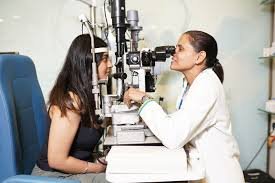
Vision health plays an important role in daily activities, work performance, and overall comfort. When vision concerns begin to affect routine tasks, seeking timely medical attention becomes essential. In a city like Mumbai, patients have access to many eye care professionals, which can make choosing the right specialist challenging. Different eye conditions require different levels of expertise, and an incorrect choice may delay accurate diagnosis. A qualified eye specialist in Mumbai helps identify concerns early and recommends treatment based on clinical findings. Understanding what to consider when selecting a specialist supports informed decisions and long-term vision care.
What does an Eye Specialist do?
An eye specialist, also known as an ophthalmologist, diagnoses and treats medical and surgical conditions affecting the eyes. The role extends beyond prescribing spectacles and includes managing a wide range of vision and eye health concerns, such as:
- Cataracts and age-related vision changes
- Glaucoma and optic nerve conditions
- Retinal disorders, including diabetic retinopathy
- Corneal infections and eye injuries
- Refractive errors that may require surgical correction
Before recommending any treatment, the specialist reviews symptoms, medical history, and diagnostic test results to ensure care is appropriate and evidence-based.
Identify Your Vision Requirement Clearly
Understanding the nature of an eye concern helps patients identify the type of specialist required.
- General Eye Concerns
Concerns such as eye strain, redness, blurred vision, or frequent headaches often require consultation with a general ophthalmologist. Early assessment helps identify issues before they progress.
- Long-Term or Chronic Conditions
Conditions such as glaucoma or retinal disorders require regular monitoring over time. Specialists with focused experience are better equipped to manage these conditions.
- Surgical or Advanced Care
Procedures such as cataract surgery, LASIK, or retinal interventions require technical expertise and precision. Experience in managing similar cases plays an important role in treatment outcomes.
Identifying the specific requirement helps patients seek care that aligns with the nature and complexity of their condition.
Check Medical Qualifications and Experience
Professional training forms the base of reliable eye care. Look for recognised ophthalmology degrees and specialised training. Experience matters because:
- Repeated case exposure improves diagnostic accuracy
- Surgeons refine techniques over time
- Complication management becomes more effective
Doctors with consistent clinical experience provide structured, reliable care.
Review Diagnostic and Treatment Facilities
Eye care depends heavily on accurate testing. Proper facilities support precise diagnosis and informed treatment planning. Important aspects include:
- Advanced eye imaging systems
- Visual field testing equipment
- Sterile surgical environments
- Structured infection control practices
A well-equipped centre allows specialists to assess eye conditions accurately and plan treatment in a safe clinical setting.
Importance of Communication and Comfort
Clear communication builds confidence and supports a better understanding of treatment plans. Patients should feel heard during consultations. A dependable specialist will:
- Explain findings clearly
- Discuss treatment options transparently
- Set realistic expectations
- Encourage follow-up questions
Good communication helps patients understand their condition and follow the next steps with clarity.
Assess Reputation and Patient Feedback
Patient feedback offers insight into consistency and quality of care. Reviews often reflect communication style, follow-up support, and overall experience. When reviewing feedback, consider:
- Clarity of diagnosis explanations
- Post-treatment guidance
- Consultation time and approachability
- Responsiveness during follow-ups
Looking at patterns across reviews is more helpful than focusing on individual opinions.
Accessibility and Continuity of Care
Eye conditions often require multiple visits, which makes accessibility important for consistent follow-up. Key considerations include:
- Clinic location and travel time
- Appointment availability
- Follow-up scheduling process
- Emergency consultation access
Convenient access supports continuity of care, particularly for long-term or chronic eye conditions.
Role of Early Diagnosis in Vision Care
Many eye diseases progress without noticeable symptoms. Early diagnosis prevents avoidable vision loss. Regular eye evaluations help detect:
- Increased eye pressure before glaucoma symptoms appear
- Retinal changes in people with diabetes
- Early cataract formation
- Age-related macular changes
Early detection allows timely intervention and preserves vision quality.
Questions to Ask Before Choosing a Specialist
Asking the right questions helps clarify expectations. Useful questions include:
- How frequently do you treat this condition?
- Which diagnostic tests are necessary?
- What treatment options are available?
- How often should follow-up visits occur?
Clear responses reflect professionalism and a patient-focused approach to care.
Preparing for the First Consultation
Preparation improves consultation effectiveness and saves time. Before visiting:
- Note symptoms and their duration
- Carry previous medical reports
- List current medications
- Write down questions
Being prepared helps patients communicate concerns clearly during the consultation.
Conclusion
Choosing the right eye specialist in Mumbai involves understanding your vision needs, identifying the type of care required, and considering the specialist’s expertise and facilities. Clear communication, early assessment, and regular follow-up are essential for effective eye care. Many patients prefer structured clinical environments where coordinated care is provided, such as those followed at leading hospitals like Nanavati Max Super Speciality Hospital, ensuring consistent and comprehensive support for long-term eye health.