The Barlin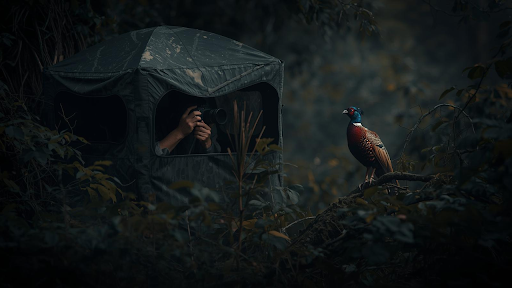
Great bird photography requires more than expensive gear. It is fundamentally about access. You must gain access to a bird’s world without becoming a perceived threat.
The ability to capture rare species is the hallmark of professional work. Think of elusive birds like Pheasants, Turacos, or the giant Shoebill. To get these images, the bird must exhibit natural behavior.
This access is achieved through a technical necessity: the Photo Blind, or Hide. This camouflaged, silent structure is the professional photographer’s secret weapon. Using it successfully requires patience, field logistics, and technical expertise.
The Rationale: Why We Need the Blind
The ultimate photograph is one of a bird acting completely naturally. It must be unaware of any human presence.
Any experienced wildlife guide will confirm that a bird reacts to the human silhouette. It sees a large, upright shape as a primal, predatory threat. When this shape approaches, the bird usually flees, hides, or stops its intended behavior. This ruins the photo opportunity.
The blind resolves this conflict immediately. It is a temporary, camouflaged structure. It can be a simple pop-up tent or a custom-built stakeout. Its function is to completely break up the recognizable human form.
By spending quiet time inside the blind, the bird habituates to the structure. It eventually ignores it entirely. This approach is the difference between a fleeting identification shot and a magazine-worthy portrait.
When planning serious bird photography tours, the inclusion of professionally managed blinds is non-negotiable. This is especially true when seeking rare or very wary species.
This high level of expertise is crucial. It includes managing the field environment and providing access to specialized hides. It is one of the key differences between a holiday trip and a true nature photography tour, designed for high-end results.
Types of Blinds and Their Application
Photo blinds come in various forms. They are always tailored to the target species and the specific environment.
- Fixed Hides/Stakeouts: These are often permanent structures. They are used where a specific bird returns repeatedly, such as certain Grouse or Vultures. They may be sunken into the ground or elevated. This provides a perfect eye-level or slightly lower perspective. These are essential for capturing exceptionally wary birds, like those on certain pheasant tours.
- Portable Blinds: These include pop-up tents or simple scrim nets. They are lightweight and highly portable. They are used for flexible shooting near temporary waterholes or migratory resting spots. They require careful placement hours before shooting starts. This ensures the local fauna has time to adjust to the new object.
Regardless of the type, the objective remains the same. You must minimize disturbance. You maximize the photo opportunity when the bird is at its most relaxed and photogenic state.
The Small Group Imperative
The most critical factor affecting the success of a blind is the number of people inside it. Most productive hides are built for a maximum of four to six photographers. Even that count is a tight fit.
A large group (over eight people) is simply incompatible with a successful stakeout strategy. This is due to two fundamental issues:
- Vibration and Noise: Every lens focus, slight adjustment of a tripod leg, or minor cough sends vibrations and sound waves. These alert the subject, often causing it to leave. More people dramatically increase this risk.
- Ethics and Comfort: Cramming too many photographers into a hide creates competition. It compromises the quiet discipline necessary for a successful shoot.
Therefore, you must strictly limit group size when selecting bird photography tours. This is paramount for success. The small-group advantage ensures you get quiet, quality time at the target location. This is the only way to leave with the stunning images you set out to capture. Look specifically for nature photography tour operators who guarantee low participant numbers.
Etiquette and Technique Inside the Hide
To be a successful blind photographer, discipline must override spontaneity. Follow these key steps before and during the stakeout:
- Prep Before Entry: Set your camera’s exposure, shutter mode, and focus limits before you enter the structure. Changing gear inside is a noisy risk. Use a silent shutter mode if your camera offers it.
- The Gear Setup: Use a solid tripod and a beanbag. The limited space makes handheld shooting impractical and risky. Keep your gear as low to the ground as possible to maintain a low profile.
- Movement Discipline: Move only when absolutely necessary, slowly and deliberately. If you must adjust your seating, do it at a minimum. Never move during a critical photo opportunity.
- Sharing the Window: Be respectful of your fellow photographers. The best lighting or angle is often fleeting. Share the shooting window as directed by your tour leader.
This discipline maximizes the opportunity for everyone and prevents you from ruining a rare shot.
Conclusion
The secret to award-winning bird photography often lies not in chasing the bird. It is found in waiting for it. You must wait patiently and silently, from the sanctuary of a professionally managed photo blind.
Mastering the art of the hide is essential for any photographer serious about capturing rare avian species in their natural glory. Seeking out experts who specialize in running focused, small-group nature photography tours that integrate these critical structures is the fastest path to transforming both your technique and your portfolio.